Using an ERP System is More Profitable
ERP (Enterprise Resource Planning) is a type of software that helps you and your organization manage and integrate their core business processes into one centralized system.
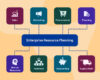
Instead of using separate applications for accounting, inventory, sales, human resources, and purchasing, an ERP system can combine all these functions into a single platform application with a shared database. This allows various departments to access the same information in real time, increasing efficiency and reducing errors.
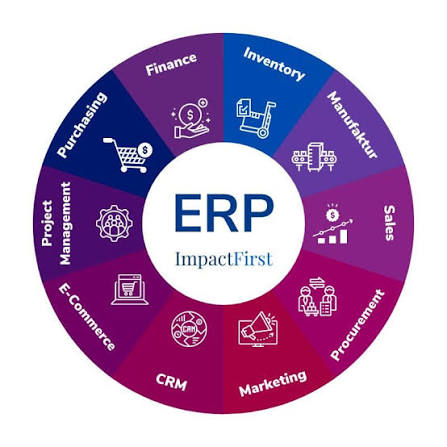
Key Functions of an ERP System
- Finance and Accounting
- General ledger
- Accounts payable and receivable
- Financial reporting
- Inventory Management
- Stock tracking
- Warehouse management
- Inventory forecasting
- Sales and Customer Management
- Sales orders
- Customer records
- Customer relationship management (CRM)
- Purchasing and Procurement
- Supplier management
- Purchase orders
- Vendor performance tracking
- Human Resources (HR)
- Employee records
- Payroll
- Attendance and leave management
- Manufacturing and Production
- Production planning
- Material requirements planning (MRP)
- Quality control
Benefits of ERP
✅ Centralized and Highly Accurate Data
✅ Increased Productivity and Automated Workflows
✅ Real-Time Reporting and Analytics
✅ Better and More Informed Decision Making
✅ Reduced operational costs, resulting in greater efficiency
✅ Increased collaboration between departments for profit
Challenges of ERP Implementation
❌ Can be expensive to implement
❌ Requires employee training
❌ Data migration can be complex
❌ Implementation may take several months
Popular ERP Solutions
- SAP S/4HANA
- Oracle NetSuite
- Microsoft Dynamics 365
- Odoo
- ERPNext
Simple Example
Imagine a company sells laptops:
- A customer places an order.
- The sales module records the order.
- The inventory module automatically reduces stock.
- The accounting module creates an invoice.
- The purchasing module can trigger a reorder if inventory becomes low.
All of these actions happen within the same ERP system, eliminating the need for manual data entry across multiple applications.
In short, ERP is the digital backbone of a business, connecting departments, data, and processes into one integrated system.