Benefits of Cloud ERP
Cloud Enterprise Resource Planning (ERP) has become a preferred solution for businesses of all sizes looking to improve efficiency, reduce costs, and stay competitive in today’s digital economy. Unlike traditional on-premises ERP systems, Cloud ERP is hosted on remote servers and accessed through the internet, providing organizations with greater flexibility and scalability.
One of the biggest advantages of Cloud ERP is its lower upfront cost. Businesses no longer need to invest heavily in expensive servers, hardware, or complex IT infrastructure. Instead, they can subscribe to a cloud-based service with predictable monthly or annual fees. This pricing model is particularly beneficial for small and medium-sized enterprises that want enterprise-level capabilities without significant capital investment.
Cloud ERP also offers exceptional accessibility. Employees can securely access business data from anywhere using a computer, tablet, or smartphone. This feature supports remote work, improves collaboration between departments, and enables decision-makers to monitor operations in real time regardless of their location.
Benefits of Cloud ERP
Another key benefit is automatic software updates. Cloud ERP providers regularly deliver new features, security patches, and performance improvements without requiring businesses to manage complicated upgrades themselves. This ensures that organizations always have access to the latest technology while minimizing system downtime.
Scalability is another important advantage. As a business grows, Cloud ERP can easily accommodate additional users, locations, and business processes without requiring major infrastructure changes. This flexibility allows companies to expand efficiently while maintaining consistent performance.
Security has also become a major strength of modern Cloud ERP solutions. Reputable providers invest heavily in advanced cybersecurity measures, including data encryption, multi-factor authentication, continuous monitoring, and automatic backups. These features help protect sensitive business information from cyber threats and data loss.
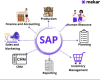
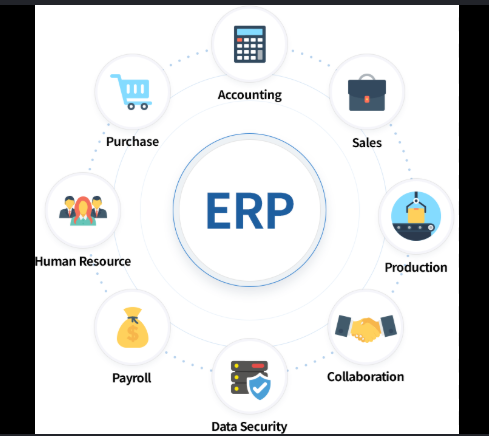
Cloud ERP further enhances productivity by integrating finance, inventory, sales, procurement, human resources, and customer relationship management into a single platform. This eliminates duplicate data entry, improves reporting accuracy, and provides real-time insights that support faster and more informed business decisions.
In conclusion, Cloud ERP offers businesses a modern, flexible, and cost-effective way to manage their operations. With lower implementation costs, remote accessibility, automatic updates, strong security, and seamless scalability, Cloud ERP empowers organizations to improve efficiency, adapt to changing market conditions, and achieve sustainable long-term growth.